whirling
dervish hands up
praise up
imitation is such flattery
spiralling riding the all high
golden mean
skyscraper in progress
to the top of
this perceived
roof raised
sky’s the limit
kind of feeling!

whirling
dervish hands up
praise up
imitation is such flattery
spiralling riding the all high
golden mean
skyscraper in progress
to the top of
this perceived
roof raised
sky’s the limit
kind of feeling!
Stillness is a well
Refill your bucket frequently
Draw on the water liberally
Use it in any way,
you feel so compelled
Confetti, balloons, candles
But not too many
Unless we’re talking about lovely afternoons
Or walks on the beach in our sandals
Your quality introspection,
communions with the stillness
And your journey of discovery and investigation are another year older today
I bless your pursuit of wellness
And I say many, too much, and all of your energy
To this and all following years of your endeavor
As we feel the sand on our feet on this side of forever
And we lose the US and and become the ocean, the sun, the water and the heat In a celebration of wisdom and peace
That is another tempered year
Together
I’m proud to behold your unique
And beautiful rendition
Of the limitless you project
So gracefully
As we step courageously
Ever vigilant in this grand expedition
Happy Birthday Lovely Melita!
Empower your eyes to take in the richly decorated skies
filled with the flowers that bloom for the bees, and the powerful trees
that gift us with beautiful vision and profound insights
into the peace and achievement possible when we embrace the stillness
at the center of the ups, downs, and indecision,
dancing around these flashing lights
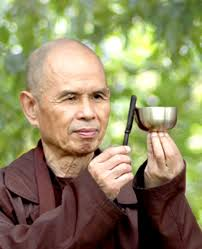
In one of our last postings there was a beautiful poem, from Chad, which noted the importance of nutrition– as it relates to sadhana. The way we approach eating, furthermore our perception of food, is integral to our spiritual development. Naturally, this creates space for a lot of debate; including: morality, the karmic energy of the food we eat, and meeting our nutritional requirements.
In this tradition we subscribe to the idea that we are not merely a body (I use the word “merely” because it is not that the body is unreal– it is simply not who you are at the deepest level). In this tradition, and many other mystical philosophies, the body is the outward, gross, and transient projection of an eternal and perfect source. The body is an instrument in which to experience this world. If one’s goal is enlightenment, like a virtuoso, one must tune, clean, and treat their instrument with respect.
I work in health and wellness as my profession, although I am not a nutritionist, and I have a strong understanding of the purpose of food. As my teacher says, “food is for the cells“; ironically, a baby knows this– they do not come into the world wanting chocolate or candy. However, somehow along the way– we lose sight of this and we begin to look to our food to fulfill a longing in ourselves.
In the Yoga Tradition, the desire to eat is considered to be one of the four primitive fountains: sleep, sex, self-preservation, and food– these are the primal urges from which all other desires “spring forth”. These impulses are inherent to the souls incarnation in a human body.
The problem is that we are so deluded, so entrenched in our body identification that we let these urges, which help to keep the body functioning, run amok. We say things like, “I want sweets, I want alcohol, and I want to lie on the couch”. Truthfully, the urges are imbalance and unchecked– “I” never wants for anything because “I” is a manifestation of the ego. “We” are perfect and whole; the body needs sustenance to function optimally. But, we are looking outside and finding disastisfaction. Then we indulge these cravings and we are sad and disappointed– they do not bring us true joy.
If we are seekers, then we begin to revere the body as a great gift and we want it to assist us in pursuing our spiritual endeavors. In order for the body to facilitate the pursuit of transcendence, we must consider the significance of the foods we ingest. Ann Wigmore aptly said, “The food you eat can be either the safest and most powerful form of medicine or the slowest form of poison.”
Yet, it’s more than the nutritional content of the food that must be considered. Most of us are intelligent enough to know if our food promotes health or harm. However, it is also the sensory experience we are trying to derive from our fuel. We want food to be exotic and fascinating. Since we are all one, we must consider the impact, environmentally, on the quest to have a mango in December. Consider eating in a monastary, food is simple and often taken in silence. When we eat slowly, mindfully, and with gratitude we may discover untapped joy in taking in the energy of God to reconnect us with that which we are.
Life on the island is a bit awkward at first
Surrounded by water in this tiny burg
Everyone knows everyone
If death pays a visit, it is most certainly one of your friends in the hearse
What makes matters worse
If I find love amongst the tourists
It is the topic of conversation from the mailman to the local florist,
for the better part of a week.
I swear to you these people have nothing better to do than to stick their noses in and, occasionally, lie on the beach.
But it’s a small price really, to get some work done.
left my old baggage to the wolves in the city and gave my inner voice a chance to really speak.
I’ve had so much to say for so long, but was silenced by adversity
This permanent vacation will do wonders for my song.
I’m making amends with creativity
Comedies and great tragedies
will be unleashed.
I’ll give you smiles and tears all while massaging your fears
in text that will positively leap
from the page and into your imagination.
Just bear with me as I work on the translation
cocktail dress from ball gown
a beach hat from an elegant crown,
be prepared to receive art from the core of me,
A gift to you.
Although not new,
it’ll finally see it’s proper light of day because of the lovely setting.
With a bit of work, adjusting and sweating,
Lord willing, I’ll produce some sage and powerful words
that you won’t soon be forgetting.
Straight from the heart of this freshly anointed, small town girl
An ample gift to those that beseech
I hope they have the strength to escape, travel the world,
and I bid them godspeed to all they may reach.
Death has not been as proximal to me as it has been to others. I have never lived in a war zone, I did not have friends succumb to violence in youth, my grandparents, parents, sibling, and spouse are either alive or have transitioned at a ripe old age. However, this year two friends, both in their middle thirties and who I had been very close to several years ago, passed away. Whenever death makes a showy appearance it causes me to reflect on impermanace and transition.
My husband, one of my greatest teachers, refers to death as the great equalizer–it is the one experience we are all guaranteed to partake in. However, it is also the one we have no concrete information on… we will only know when we arrive.
Here arises the question, how do we best prepare for this unavoidable journey? One place is with an understanding of the concept of avidya— the primal ignorance of identification with what is not who we are.

The Himalayan Tradition holds to the belief that, to the uniformed individual, what we appear to be and what we truly are is often misunderstood. What we are, according to this nondual tradition, is eternal, perfect, pure consciousness. What we appear to be is temporary, greatly flawed, and governed by the laws of the physical world–avidya is this misidentification.
How do we begin to dissolve the grip of avidya, the first step is knowing of it’s existence. The second is through our meditation and adjunct practices.
In meditation, we, initially, set down the false identities that are closer to the surface: teacher, student, asana instructor. Gradually progressing to the deeper ones: wife, mother, woman. Eventually to the deepest ones: human, fearful, temporary.
Many traditions discuss practicing for death– I particularly resonate with the sibling tradtion of Tibetan Buddhism and their “Death Meditations“. The Himalayan Tradition explains we must be a scientist “an interior researcher“– we musn’t subscribe to a belief because of blind faith– we must develop experiential knowledge. We can lightly knock on the entrance to deaths door by moving into the causal plane of consciousness with Yoga Nidra in savasana (the one asana that no one seems to translate into English “corpse pose”); or, we can move into superconsciousness with meditation and experience the Silence of the Center. Although these are temproary states, little by little one develops a knowing that these states are closer to our intrinsic one.
I have no intention of belittling the grief that we experince with the “passing” of a loved one through the veil. However, as this transition is inevitable for all of us it would behoove us to be as comfortable and unafraid of this journey as possible.

It tried to leave me,
but can the liver leave its heart behind?
it looked in the mirror,
used its two eyes to see me,
what looked back was a good man,
with a smile so kind
Made peace with it all
and am so happy to be me
embracing the lovely
That is my being combined.
Writing the story thoughtfully
of man and god, intertwined

 From the Gross to the Subtle